Muscle pain has a way of interrupting everyday life when you least expect it. Whether it’s a stiff neck after working at a desk, aching shoulders from lifting, or tight calves after a weekend run, persistent discomfort can make even simple tasks frustrating. While many people try to push through the pain or rely on temporary fixes, these approaches often don’t address the underlying cause.
If you’ve been searching for “How does Dry Needling Therapy help relieve muscle pain?”, you’re in the right place. This article explains what Dry Needling Therapy is, how it works, who may benefit from it, and why it’s becoming an increasingly popular treatment option across Australia for managing muscular pain and improving movement.
Quick Overview
Short on time? Here’s the quick version:
- Dry Needling Therapy targets tight muscles and trigger points.
- It may help reduce muscle pain, improve flexibility, and restore movement.
- The treatment is commonly used by physiotherapists and other qualified healthcare professionals.
- It can complement rehabilitation exercises and other manual therapies.
- Early treatment may help prevent muscle problems from becoming more persistent.
Want to dive deeper? Keep reading to learn how Dry Needling Therapy works and whether it could be suitable for you.
What Is Dry Needling Therapy?
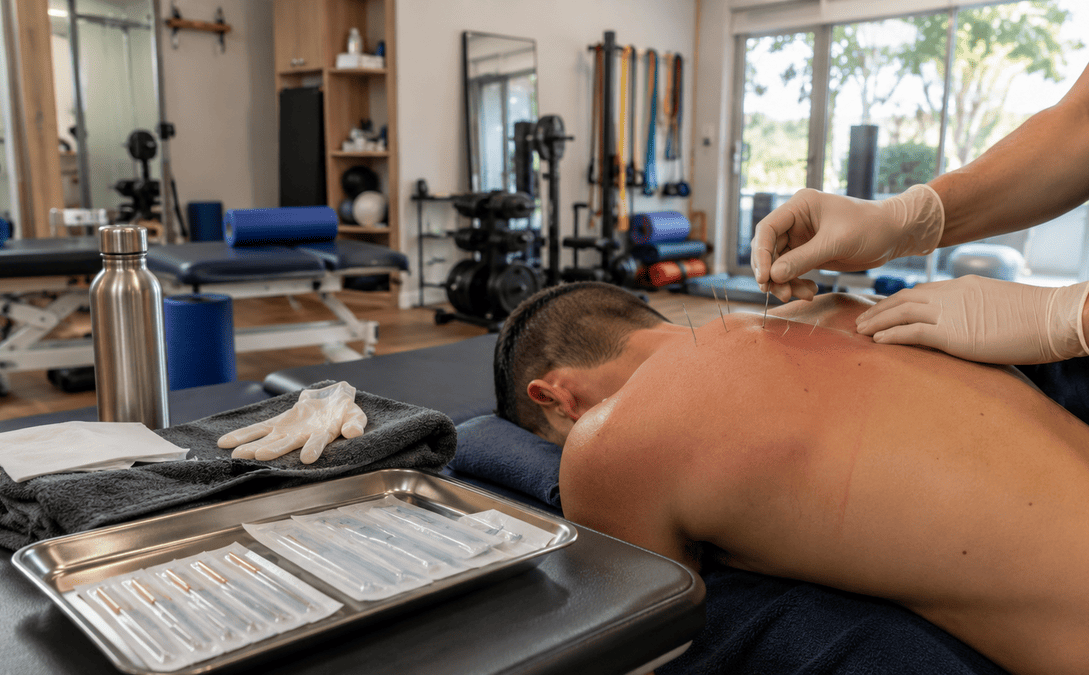
Dry Needling Therapy is a treatment technique that involves inserting very fine, sterile needles into tight muscle bands, commonly known as trigger points.
Unlike injections, nothing is injected into the body. The term “dry” simply refers to the fact that the needle does not contain medication.
The goal is to:
- Release muscle tension
- Reduce pain
- Improve blood flow
- Encourage normal muscle function
- Restore movement
It is commonly used alongside exercise programs, stretching, and other rehabilitation techniques rather than as a standalone solution.
Did You Know?
Although the needles are extremely thin, many people are surprised by how little discomfort they experience during treatment. In fact, worrying about the needle is often worse than the needle itself. Human imagination remains undefeated.
How Does Dry Needling Therapy Relieve Muscle Pain?
When muscles become overloaded through poor posture, repetitive movement, sport, or injury, they can develop sensitive trigger points that remain tight and painful.
Dry Needling Therapy works by stimulating these areas, encouraging the muscle to relax and return to a healthier state.
Potential benefits include:
- Reduced muscle tightness
- Improved circulation
- Better joint mobility
- Less pain during movement
- Faster recovery from muscular strain
While results vary from person to person, many individuals notice improved movement shortly after treatment, particularly when combined with an appropriate rehabilitation plan.
Expert Insight: Dry Needling Therapy is most effective when it’s part of a comprehensive treatment program that also addresses strength, posture, flexibility, and movement patterns.
Common Conditions That May Benefit
Dry Needling Therapy is often used to help manage muscular conditions such as:
- Neck pain
- Shoulder tension
- Lower back pain
- Sports-related muscle injuries
- Tennis elbow
- Tight calves
- Hip pain
- Tension headaches related to muscle tightness
- Plantar heel discomfort associated with muscular tension
A qualified practitioner will first assess whether Dry Needling Therapy is appropriate for your individual condition.
Signs Your Muscles May Need Attention
Muscles often give warning signs before pain becomes severe.
You may benefit from professional assessment if you notice:
Persistent Tightness
Stretching provides only short-term relief.
Limited Movement
Turning your head, bending, or reaching feels restricted.
Recurring Pain
The same discomfort keeps returning after work or exercise.
Tender Knots
Certain muscles feel unusually sore when touched.
Ongoing Muscle Fatigue
Your muscles feel heavy even without intense activity.
Ignoring these signs doesn’t usually make them disappear. Muscles can be remarkably patient, but they also keep score.
Who Can Benefit from Dry Needling Therapy?
Many Australians choose Dry Needling Therapy as part of their recovery and pain management plan.
It may be suitable for:
- Office workers
- Tradies
- Athletes
- Runners
- Cyclists
- Parents lifting young children
- Gardeners
- Older adults managing muscular stiffness
Because every person’s condition is different, treatment should always be tailored following a professional assessment.
Pro Tip
Movement matters after treatment.
Your practitioner may recommend gentle stretching, hydration, or specific exercises following Dry Needling Therapy to help maximise the benefits.
Following this advice often supports longer-lasting improvements.
What Happens During a Session?
If you’ve never had Dry Needling Therapy before, the process is generally straightforward.
A typical appointment may include:
- Discussion of your symptoms and medical history.
- Assessment of posture, movement, and affected muscles.
- Identification of trigger points.
- Careful insertion of fine sterile needles into selected muscles.
- Advice on exercises, recovery, and future management.
Some people experience a brief muscle twitch during treatment, which is considered a normal response when targeting trigger points.
A Quick Guide to Managing Muscle Pain
Living with muscle pain can affect work, exercise, sleep, and even your mood. Fortunately, combining professional care with healthy habits often delivers better long-term results than relying on temporary relief alone.
Common Challenges
- Does your neck tighten after sitting all day?
- Do muscle knots return no matter how much you stretch?
- Are you avoiding activities because movement hurts?
Practical Ways to Help
Identify the Cause
Understanding why muscles are becoming overloaded is the first step toward lasting improvement.
Stay Active
Gentle movement often supports recovery better than prolonged rest.
Combine Treatments
Dry Needling Therapy works well alongside strengthening exercises and manual therapy where appropriate.
Follow Professional Advice
Completing recommended home exercises may help reduce recurring muscle tension.
Why It Works
Addressing both muscle tightness and the underlying cause provides a more balanced approach to recovery. Instead of focusing only on symptoms, treatment aims to improve overall movement and function.
Quick Quiz
Could Dry Needling Therapy Be Worth Discussing?
Tick the statements that apply to you:
☐ I regularly experience muscle knots.
☐ Stretching only provides temporary relief.
☐ My neck or shoulders are often tight.
☐ I have recurring lower back pain.
☐ Exercise recovery takes longer than expected.
☐ My flexibility has noticeably decreased.
☐ Pain affects my work or hobbies.
Results
0-2 ticks
Your symptoms may improve with regular movement, stretching, and good posture habits.
3-5 ticks
A professional assessment may help identify the underlying cause of your muscle discomfort.
6-7 ticks
It may be worthwhile discussing whether Dry Needling Therapy could form part of your treatment plan.
Quick Reader Poll
Where do you experience muscle pain most often?
- Neck
- Shoulders
- Lower back
- Hips
- Legs
- Everywhere… because adulthood is apparently an endurance sport.
Frequently Asked Questions
Is Dry Needling Therapy the same as acupuncture?
No.
While both use fine needles, they are based on different treatment principles. Dry Needling Therapy focuses on muscles, trigger points, and movement dysfunction rather than traditional Chinese medicine concepts.
Does Dry Needling Therapy hurt?
Most people describe the sensation as mild.
You may feel:
- A brief muscle twitch
- Temporary ache
- Mild pressure
Any discomfort is usually short-lived.
How many sessions will I need?
There isn’t a one-size-fits-all answer.
The number of sessions depends on factors such as:
- Your condition
- How long symptoms have been present
- Your activity level
- Your response to treatment
Your practitioner will recommend an appropriate treatment plan.
Are there any side effects?
Some people experience:
- Mild muscle soreness
- Temporary bruising
- Fatigue for a short period after treatment
These effects are generally temporary and should be discussed with your practitioner if you have concerns.
Can Dry Needling Therapy help sports injuries?
It may assist with muscular components of sports injuries by reducing tightness, improving movement, and supporting rehabilitation when combined with appropriate exercise.
Is Dry Needling Therapy suitable for everyone?
Not always.
Certain medical conditions, medications, or circumstances may mean the treatment isn’t appropriate. A qualified practitioner will assess your medical history before recommending treatment.
Conclusion
Muscle pain isn’t something you simply have to live with. Whether your discomfort comes from sport, work, poor posture, or everyday activities, understanding the cause is the first step towards effective treatment. Dry Needling Therapy offers a targeted approach to relieving muscle tension, reducing pain, and improving movement when delivered by a qualified professional. Combined with exercise, healthy movement habits, and personalised rehabilitation, it can become an important part of long-term musculoskeletal care. Listening to your body’s warning signs early may help you stay active, comfortable, and doing the things you enjoy with greater confidence.