If you’ve been feeling overwhelmed, mentally foggy, or one bad email away from an existential crisis — congratulations, you’re human. And if you’re wondering how to reduce stress in Australia, this guide is designed specifically for you.
In a world where inboxes never sleep, traffic on the M1 mysteriously stops for no reason, and your Uber Eats order arrives missing the chips again… stress is practically a national sport. But managing it doesn’t need to be complicated or require a meditation retreat in Byron Bay (though that does sound amazing).
This article breaks down simple, realistic, Australian-friendly daily habits that actually work — no jargon, no guilt, no woo-woo. Just practical steps to feel calmer, clearer, and more in control.
Quick Overview (Snapshot Summary)
Here’s a quick summary of what you’ll learn:
- What causes stress in everyday Australian life
- Simple daily habits you can start immediately
- Small environmental and lifestyle tweaks that calm your body and mind
- A “Quick Guide” real-life example to make it practical
- An interactive quiz to help you identify your stress style
- Common mistakes people make when trying to reduce stress
- FAQs for fast answers
Want to dive deeper? Keep reading!
1. Why Stress Hits Australians So Hard
Stress isn’t just emotional — it’s physical, chemical, and behavioural. In Australia, some of the biggest contributors include:
- High workload and commutes
- Cost-of-living pressures
- Sleep disruption
- Excessive screen time
- Social burnout
- Climate-related stress (yes, weather extremes are stressful)
Understanding your triggers is the first step in learning how to reduce stress.
2. Simple Daily Habits Proven to Reduce Stress
2.1. The 10-Minute Morning Reset
Before opening emails or scrolling the news (trust me, don’t scroll the news), spend 10 minutes doing something that signals calm:
- Stretching
- Slow breathing
- Light movement
- A short walk
- Sitting outside with fresh air
This lowers your cortisol levels and sets a calm tone for the day.
2.2. Mindful Breathing (The Easiest Stress-Reducer Ever)
You don’t need incense or a Himalayan chanting bowl. Just breathe.
Try this:
4 seconds inhale → 2 seconds hold → 6 seconds exhale
Repeat for 2 minutes.
This activates your parasympathetic nervous system – aka your “calm mode.”
2.3. Reduce Digital Noise
This one hurts a little:
- Turn off push notifications
- Set screen downtime after 9pm
- Use Do Not Disturb during focus hours
Your brain is not designed to receive 147 micro-alerts a day.
2.4. Walk More (Australia’s Cheapest Stress Cure)
A simple 20-minute walk outdoors can reduce stress by up to 40%.
Plus, we have some of the best outdoor spaces in the world — beaches, parks, leafy suburbs, bush trails. Make use of them.
Pro Tip: Pair your walk with a calming playlist or a podcast that makes you laugh. Your nervous system loves the combination of movement and mood elevation.
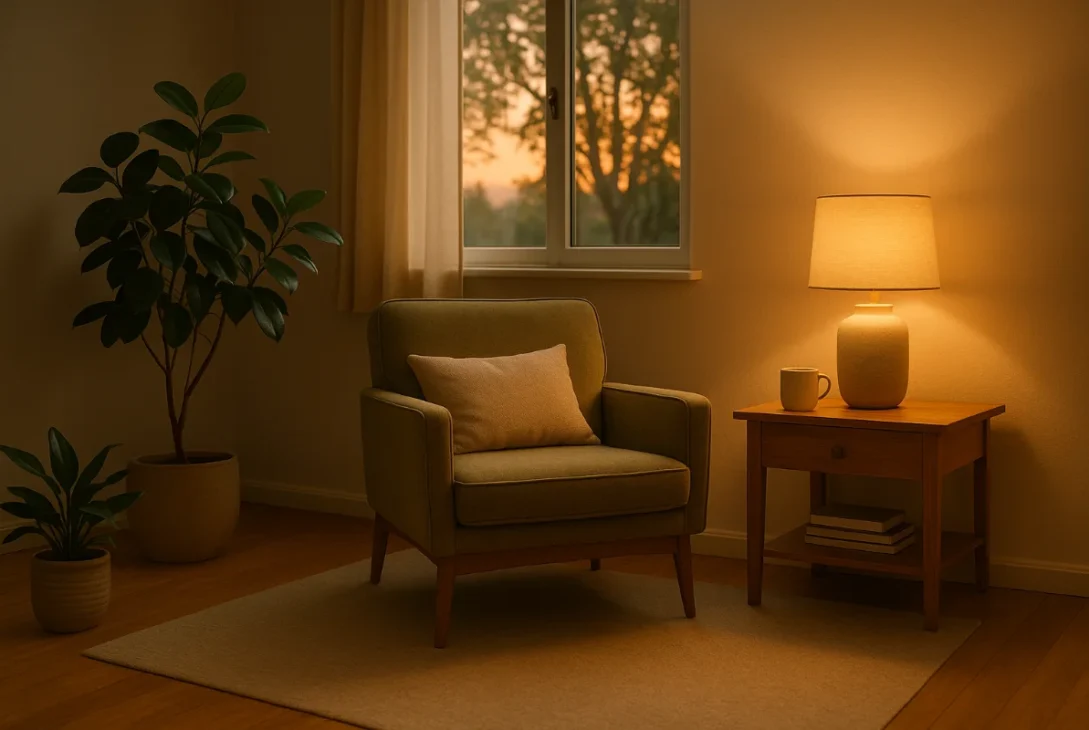
2.5. Create a “Mini Sanctuary” in Your Home
You don’t need a full home makeover — just designate one calm spot.
Ideas:
- A cosy corner with a plant and soft lighting
- A balcony with a comfy chair
- A reading nook in your bedroom
Your brain begins to associate that space with relief.
2.6. Drink Water (Yes, Really)
Mild dehydration increases stress responses. Aim for:
- 1.5–2 litres per day
- More on hot days (Aussie summers count as “more”)
2.7. Limit Caffeine Shockwaves
If you’re drinking 4–6 coffees a day, your nervous system is basically living in a haunted house.
Try:
- Switching to 1–2 coffees
- Swapping your afternoon coffee for tea
- Drinking water before caffeine to reduce intensity
2.8. Build a “Stress-Free Evening Routine”
Wind down intentionally:
- Low lighting
- No screens 30 minutes before sleep
- Gentle stretches
- Gratitude journaling
- Herbal tea
Your sleep quality improves — and your stress tolerance increases naturally.
3. Quick Guide: Reducing Stress for Busy Australians
You’re juggling work, family life, traffic, errands, and barely have five minutes to yourself. You want a realistic, non-dramatic way to reduce stress.
Common Challenges
- “I don’t have time.”
- “I forget to slow down.”
- “My mind never stops racing.”
How to Solve It
1. Anchor Routines (Morning + Night)
Two small habits at the same time every day help regulate stress.
2. Micro-Pauses at Work
30 seconds of deep breathing every 90 minutes can shift your whole nervous system.
3. Movement That Fits Your Schedule
Walks, stretching, or 10-minute strength circuits.
4. Reduce One Stress Trigger
Choose ONE: news, caffeine, clutter, screen time, late nights.
Why It Works
Because the human brain loves consistency, anchors and small wins. When you reduce even one stress factor, everything else becomes easier.
4. Did You Know?
📌 Small stressors add up.
A messy environment increases cortisol.
Cluttered spaces = cluttered mind.
📌 Breathing out longer than you breathe in triggers relaxation.
Try it in traffic — works better than yelling at cars.
📌 Cold water on your face reduces heart rate instantly.
Great for panic spikes or waves of overwhelm.
5. Interactive Quiz: What’s Your Stress Style?
1. When stress hits, you typically…
A. Shut down
B. Overthink
C. Get irritated
D. Go into problem-solver mode
2. What triggers your stress most?
A. Workload
B. Family chaos
C. Noise or overstimulation
D. Overcommitment
3. What soothes you best?
A. Quiet time
B. Nature
C. Movement
D. Routines
Results:
- Mostly A’s → You need calming sensory routines (breathing, quiet, grounding).
- Mostly B’s → You need structured thought-management routines (journaling, planning).
- Mostly C’s → You need environmental tweaks (noise reduction, decluttering).
- Mostly D’s → You need time-management boundaries (say no, simplify, delegate).
6. Mistakes People Make When Trying to Reduce Stress
- Trying too many habits at once
- Doom-scrolling before bed
- Ignoring basic sleep hygiene
- Overloading on caffeine
- Thinking stress relief must take hours — it doesn’t
- Keeping clutter and wondering why your brain feels heavy
- Forgetting hydration (yes, again)
7. FAQs
Q1: How long does it take to reduce stress?
With daily habits, some people feel calmer in 1–3 days. Deep transformation usually takes a few weeks of consistency.
Q2: What is the best single habit to start with?
Breathwork or walking — the fastest, simplest, and most universal.
Q3: Can diet affect stress?
Absolutely. High sugar and heavy caffeine can amplify anxiety. Balanced meals help stabilise mood.
Q4: Do I need meditation experience?
Not at all. Simple 2–5 minute breathing sessions are enough for beginners.
Q5: What if my stress comes from work?
Use boundary routines: scheduled breaks, turning off notifications, clearer end-of-day rituals, task batching, and time blocking.
Conclusion
Reducing stress doesn’t require dramatic life changes, expensive supplements or five-day retreats. It’s about small, consistent habits that train your body and mind to stay calmer throughout the day. Whether it’s mindful breathing, short walks, better sleep routines or creating a small sanctuary at home, each step builds resilience. The key is to start small, stay consistent and be kind to yourself in the process. Stress might be part of modern Australian life, but with the right habits, it doesn’t have to control your life.
Disclaimer
This article offers general wellness information and is not a substitute for professional medical or mental health advice. If you experience severe or persistent stress, anxiety or overwhelm, consult a qualified healthcare professional.