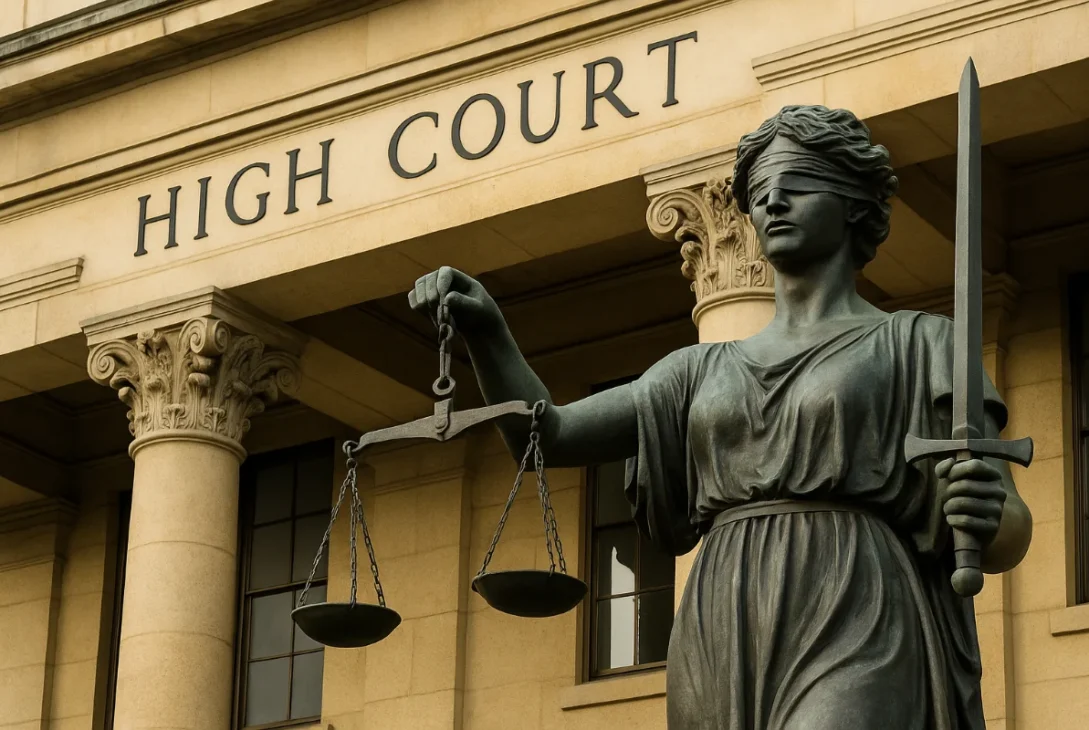
Whenever someone says “the justice system”, you might picture dark robes, gavels and interminable court queues (and if you don’t — you should). But the reality of the justice system in Australia is far more than dramatic courtroom scenes. It’s a complex network of police, investigations, state and federal courts, appeals and rights.
This article aims to explain how the justice system Australia works — from the moment the sirens go through to who finally hears the appeal at the High Court. Whether you’re a student, a curious citizen, or someone wondering what happens when the law catches up with you (or your lunch-box theft), this guide will walk you through the phases, the terminology and the key players.
Quick Overview: Snapshot Summary
- The justice system in Australia is built on a federal structure + state/territory systems, so different rules apply in NSW, VIC, WA etc. (libguides.anu.edu.au)
- The journey roughly follows: police/Inquest → local or state court → state appeals or federal court → High Court of Australia.
- Key features include: rule of law (no-one above the law) (State Library of New South Wales), separation of powers (executive, legislative, judiciary) (Attorney-General’s Department), and common law + statute law combined. (Legal Translations)
- Want to dive deeper into each phase, see how you might enter the system and check your own understanding? Keep reading!
1. The Foundations: Law-making & Structure
Before matters reach the court, we must understand how laws and the system are built.
Sources of Law
- Statute law: Acts of Parliament at federal or state level. (National Library of Australia)
- Common law (judge-made law/precedent): Courts interpret and build on earlier decisions. (Australian Parliament House)
- The Constitution sets out the federal/state division of powers. (libguides.anu.edu.au)
Structure of Government & Separation of Powers
- Australia’s system gives power to three arms: Executive (government), Legislature (parliaments), Judiciary (courts). Judges are independent of politics. (Attorney-General’s Department)
- The rule of law means even government and officials must obey legal norms, not just ordinary citizens. (State Library of New South Wales)
Federal vs State/Territory Jurisdictions
- Because Australia is a federation, each of the six states and two major territories has its own laws, courts and legal system. (SBS)
- Some matters (immigration, trade, industrial relations) are federal, others (most crimes, property, wills) are state matters.
The justice system Australia explained starts with understanding that there’s not one court system, but layers (and sometimes overlapping ones).
2. Entry into the System: Police, Investigation & Prosecution
This is where many matters begin — the first contact with law enforcement or regulatory authority.
What Happens When a Crime or Dispute Occurs
- Police or regulators investigate alleged offences or breaches. Evidence is gathered (witnesses, forensics, documents).
- At this point, you’re still before a court.
- Charges may be laid, or regulatory action commenced.
Key Points
- If you’re charged, you may have to appear in a local or magistrate’s court (for minor matters) or a District/County/Supreme Court (for serious offences). (McCullough Robertson Lawyers)
- Bail decisions, remand, preliminary hearings all come into play here.
Did You Know?
It’s not unusual for someone to think they’ll “just plead guilty and be done” — but procedural steps, legal rights, duty to disclosure, and possible defences can make this phase critical.
3. Trial, Sentencing & Decision-Making
This is the court-phase for criminal matters, or the litigation phase for civil disputes.
Trial Process (Criminal)
- Magistrates’ or local court handles less serious matters.
- Supreme/State courts handle serious indictable offences.
- Jury trials are typically for the more serious crimes (except in some jurisdictions).
- If found guilty, sentencing occurs; if acquitted, you’re free.
Civil Matters
- Disputes over contract, property, torts may go through court system similarly (but no state-imposed punishment like jail in civil matters).
Appeals
- If a party disagrees with a decision, they may appeal to a higher court (Court of Appeal, Full Court, etc.).
- At the very top sits the High Court of Australia, which hears special leave appeals on constitutional, federal or significant cases. (Wikipedia)
Pro Tip Box
If you’re involved in a proceeding (criminal or civil), ask: “Which court am I in? Can I appeal? What rights do I have now?” Knowing the level of court clarifies your options.
4. The Court Hierarchy (Australia’s Court Ladder)
Understanding the court levels helps demystify “how the justice system Australia works”.
Typical Hierarchy (State/Territory)
- Local/Magistrates’ Court: Minor offences, initial hearings.
- District/County Court: More serious offences (in many states).
- Supreme Court: The top state trial court, and often appeals from lower courts. (McCullough Robertson Lawyers)
- Court of Appeal/Criminal Appeal: Appellate courts within the state.
- Federal courts: For federal laws, trade, immigration etc. (Wikipedia)
- High Court of Australia: The final appeal across federal and state matters. (Wikipedia)
Did You Know?
The High Court only sits in Canberra full time, though it used to travel between states — so saying “I’ll just take it to the High Court” isn’t as casual as you might think.
Knowing which court handles your matter and what the appeal path is is critical for anyone navigating the system.
5. Rights, Defences & Fairness
A well-explained justice system covers not just how things happen—but what protections exist.
Key Rights
- Presumption of innocence until proven guilty.
- Right to legal representation (especially in serious criminal matters).
- Right to appeal / judicial review in many cases.
- Rights of victims: victim impact statements, victim support in many jurisdictions.
Defences & Alternatives
- In criminal cases: self-defence, duress, insanity, mistake etc.
- In civil: contract mis-representation, negligence defences etc.
- Increasing use of restorative justice, diversion programs (especially for youth or Indigenous offenders) — an emerging piece of the system.
Did You Know?
Despite the idea of fairness, public trust in Australia’s courts is variable: a poll found only 30% of Australians trusted the courts fully. (News.com.au)
This shows that explaining “justice system Australia explained” includes acknowledging perception and real experience.
6. Key Issues & Current Trends in Australia’s Justice System
Understanding the workings also involves recognising current pressures and debates.
- Over-representation of Indigenous Australians in custody, youth justice issues, deaths in custody — systemic issues the justice system is still grappling with. (News.com.au)
- Budget pressures, court delays, back-logs and remand population increasing in some states.
- Technological changes: digital courts, remote hearings, AI in legal processes.
- Access to justice issues: cost of legal representation, complexity of legal language, rural/remote access.
- Reforms around sentencing, bail, mandatory sentencing (e.g., Queensland’s debate on mandatory life imprisonment). (The Guardian)
A modern justice system must not only operate well—it must be seen to operate fairly and accessibly.
Quick Guide: Navigating the Justice System (for Everyday Australians)
Intro
You’re an Australian citizen who’s never attended court, but now you face a matter: maybe you’ve been charged, or you’re a victim wanting to know next steps. Where do you start?
Common Challenges
- “What court am I in?”
- “Do I need a lawyer? Can I afford one?”
- “What happens at the hearing? What rights do I have?”
How We Help / What You Can Do
- Identify the jurisdiction: Check whether your matter is criminal, civil, state, or federal.
- Seek advice early: Even a free or low-cost legal advice service can clarify your position.
- Prepare documentation: Gather facts, evidence, witnesses early; this strengthens your position.
- Understand the process: Ask what the next steps are—preliminary hearing, plea, trial, appeal.
Why It Works
When you know where you are in the system, you can make informed decisions, reduce stress, and engage proactively rather than reactively.
Interactive Section: Justice System Readiness Survey
Rate each statement from 1 (Strongly Disagree) to 5 (Strongly Agree):
| Statement | Score |
|---|---|
| I know which court handles my matter. | |
| I understand my rights in the process (or I’ve asked a lawyer). | |
| I have gathered all relevant facts, documents or evidence. | |
| I know how to appeal (or what “special leave” means) in my case. | |
| I have support (legal, social or community) if I need it. |
Interpretation
- 21–25: You’re well placed and aware of the justice system pathway.
- 13–20: You have some understanding, but need to clarify key areas.
- ≤12: It’s time to pause and get legal guidance or support before proceeding further.
FAQs (Frequently Asked Questions)
Q: What’s the difference between a state court and the High Court of Australia?
A: State courts deal with most everyday criminal/civil matters under state laws. The High Court is the final appeal, mostly constitutional/federal issues. (Wikipedia)
Q: If I’m charged, do I always go to a jury trial?
A: No. Many offences are heard by a magistrate alone; jury trials are reserved for serious indictable offences.
Q: Can I represent myself in court?
A: In many jurisdictions, yes—but you must understand the process, be prepared, and risk is higher without representation.
Q: Why does the justice system seem so slow?
A: Multiple reasons: complexity of law, backlog of matters, pre-trial steps, appeals processes, and resources.
Q: How do Indigenous justice issues affect the system?
A: Indigenous Australians are disproportionately affected in custody/remand, and there’s growing emphasis on culturally appropriate diversion, rehabilitation and reform. (News.com.au)
Conclusion
So, there you have it—justice system Australia explained from the first police siren to the High Court’s final word. While the system may seem complex (and yes, sometimes a bit labyrinthine), understanding its structure, your rights and the process puts you in a far better position.
Whether you’re just curious or facing a matter yourself, knowledge is power. When you know which court you’re in, what your rights are, and how appeals work—you’re not helpless. You’re informed.
Disclaimer
This post is for informational and educational purposes only. It does not constitute legal advice. If you are facing legal proceedings, seeking advice from a qualified legal professional in your jurisdiction is strongly recommended.