Green Homes, Green Value?
Australia is famous for its wide beaches, backyard BBQs, and… rising energy bills. With climate change on the radar and more Australians seeking sustainable lifestyles, green homes are no longer a niche trend—they’re fast becoming the new normal.
But here’s the big question on every homeowner’s mind: Do green homes actually increase property value in Australia? Or is it just a feel-good buzzword real estate agents love to throw around between “great location” and “close to schools”?
In this post, we’ll unpack the evidence, explore how sustainability impacts your home’s worth, and give you the practical best practices to ensure your eco-friendly upgrades don’t just save the planet—they add dollars to your property’s sale price.
Quick Overview: At a Glance
Here’s a snapshot summary of how green homes and property value connect in Australia:
- ✅ Buyers are willing to pay more for energy-efficient and eco-friendly homes.
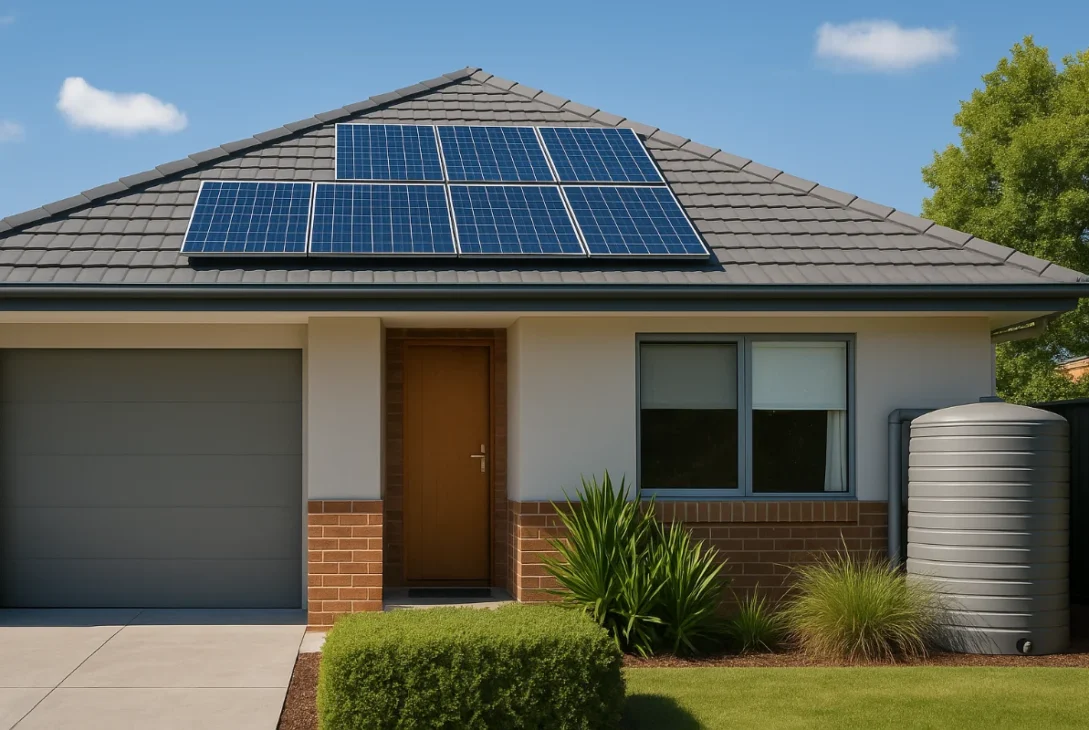
- ✅ Green features like solar panels, water tanks, and insulation can increase a home’s resale value by up to 10%.
- ✅ Demand for sustainable housing is strongest among younger buyers (millennials and Gen Z).
- ✅ Federal and state incentives (rebates, solar credits) make upgrades more affordable.
- ✅ Eco-friendly homes often sell faster than traditional homes.
Want the details, the data, and a few laughs along the way? Keep reading.
1. What Exactly is a Green Home?
Before we dive into numbers, let’s define what makes a home “green.” Spoiler: it’s not just painting your walls avocado.
Common Green Home Features in Australia:
- Solar panels and battery storage.
- Energy-efficient appliances.
- Double-glazed windows and insulation.
- Water-saving fixtures and rainwater tanks.
- Sustainable building materials (bamboo, recycled timber).
- Smart home energy systems.
Pro Tip: In real estate, “green” usually means anything that saves energy, reduces waste, or lowers bills—not a jungle in your living room (though indoor plants are always a plus).
2. The Australian Buyer Mindset: Why Green Sells
According to recent surveys, over 70% of Australian homebuyers consider sustainability important when choosing a property. With electricity costs climbing and climate awareness growing, the appeal is obvious.
“Homes with strong energy efficiency ratings consistently achieve higher prices and faster sales,” notes Domain’s 2024 Property Sustainability Report.
Buyers see green features as long-term savings, not just nice-to-have extras.
3. How Green Homes Increase Property Value
So, what’s the actual impact? Let’s crunch some numbers.
- Homes with solar panels can sell for $10,000–$20,000 more than similar properties without.
- A NatHERS 7-star rating (energy efficiency) can boost property value by 5–10%.
- Energy-efficient homes often sell 14 days faster than standard homes in competitive markets.
Did You Know? The ACT requires energy efficiency ratings in property listings—and research shows higher-rated homes command higher prices. Other states may follow suit.
4. The Long-Term Savings Buyers See
It’s not just about warm fuzzy feelings—green features translate into real savings:
- Solar panels can cut annual electricity bills by $1,000–$2,000.
- Water-efficient appliances reduce household water use by up to 30%.
- Smart systems optimise heating and cooling, saving another $500 a year.
Buyers will pay more upfront if it means lower running costs down the track.
5. The Challenges of Going Green
Of course, nothing is perfect. Green upgrades can come with challenges:
- High upfront costs: Solar batteries, double glazing, and water systems aren’t cheap.
- Maintenance concerns: Some buyers worry about repair costs.
- Knowledge gap: Not all buyers understand what “7-star rating” means.
Humour break: Ever tried explaining insulation R-values at a BBQ? Exactly.
6. Quick Guide: Selling Your Green Home for Top Value
The Situation
You’ve upgraded your home with solar panels, water tanks, and better insulation. But when it comes time to sell, how do you actually get buyers to notice (and pay for) these upgrades?
Common Challenges
- Do buyers even understand the benefits?
- Are you highlighting the right features?
- Is your agent trained to market green homes?
How to Solve It
- Highlight Savings: Put actual numbers in your listing—“Save $1,500 per year on power bills.”
- Get Certification: Energy ratings, Green Star certifications, or NatHERS scores help.
- Educate Buyers: Leave a one-page “Green Features Cheat Sheet” for inspections.
- Pick the Right Agent: Some specialise in eco-friendly property sales.
Why It Works
Buyers can visualise immediate benefits and trust that the features are legitimate. Result: quicker sale, better price.
If you’re thinking of selling, don’t just list “eco-friendly”—show the value in dollars.
7. Government Incentives & Rebates
The Australian government loves green homes almost as much as sausage sizzles. Incentives sweeten the deal for both buyers and sellers:
- Federal Solar Rebate (STCs).
- State-based programs like Victoria’s Solar Homes Program.
- Cheaper Home Battery Scheme for storage systems.
- Council rebates for rainwater tanks and greywater systems.
By combining these, the cost of upgrades drops significantly, making them more attractive to future buyers.
8. The Role of Location
Green value isn’t uniform. A solar-packed home in sunny Queensland will usually be worth more than the same home in Tasmania. Similarly, urban buyers in Sydney or Melbourne may place higher value on sustainability due to eco-conscious culture and rising energy costs.
9. What Experts Say
Real estate agents across Australia are seeing a shift:
“Properties with strong sustainability credentials are increasingly in demand. Buyers see them as future-proofed investments,” says REIA President Leanne Pilkington.
Green isn’t just a trend—it’s a competitive advantage.
10. The Future of Green Homes and Property Value
Looking ahead:
- Stricter building codes will raise the baseline for all homes.
- Rising energy prices will make green homes even more desirable.
- Younger, eco-conscious buyers will dominate the market.
Prediction: By 2030, a green home may no longer be a “premium feature”—it’ll be the expectation.
Mini Quiz: Test Your Green Property Knowledge
Q1. What is Australia’s main solar rebate called?
- A) Renewable Home Bonus
- B) Small-scale Technology Certificates (STCs)
- C) Sunshine Credit
Q2. On average, how much can solar panels add to property value?
- A) $1,000–$2,000
- B) $10,000–$20,000
- C) Nothing
Q3. Which Australian territory requires energy efficiency ratings in property listings?
- A) ACT
- B) NSW
- C) WA
(Answers: Q1—B, Q2—B, Q3—A)
FAQs: Green Homes and Property Value
Q: Are green homes more expensive to build in Australia?
Yes, generally 5–10% more upfront, but this is often offset by rebates and long-term savings.
Q: Do green homes sell faster?
Yes. Studies show sustainable homes can sell up to two weeks quicker than standard homes.
Q: Which green features add the most value?
Solar panels, energy-efficient insulation, and water tanks typically have the highest ROI.
Q: Is going green worth it for older homes?
Absolutely. Retrofitting with insulation, double glazing, or solar panels can boost both comfort and resale value.
Q: What if buyers don’t care about green features?
Even if eco-credentials aren’t their focus, the cost savings will appeal. Everyone likes lower bills.
Conclusion
So, do green homes increase property value in Australia?
The evidence is clear: yes, they do. Sustainable features aren’t just “nice to have”—they’re a competitive advantage in today’s property market.
By investing in eco-friendly upgrades, you’re not only reducing your environmental footprint but also boosting your property’s financial worth. Think of it as the win-win Australians love: good for your wallet, good for the planet, and good for that future buyer who’ll thank you for lower bills.
Disclaimer
This blog post is for general informational purposes only. It is not financial or legal advice. Always seek professional guidance from licensed property advisors, valuers, or sustainability consultants before making investment or real estate decisions.